Scrap Metal Grades: What Dealers Actually Pay For (22 October 2026)
22 October 2026 • ScrapRateToday
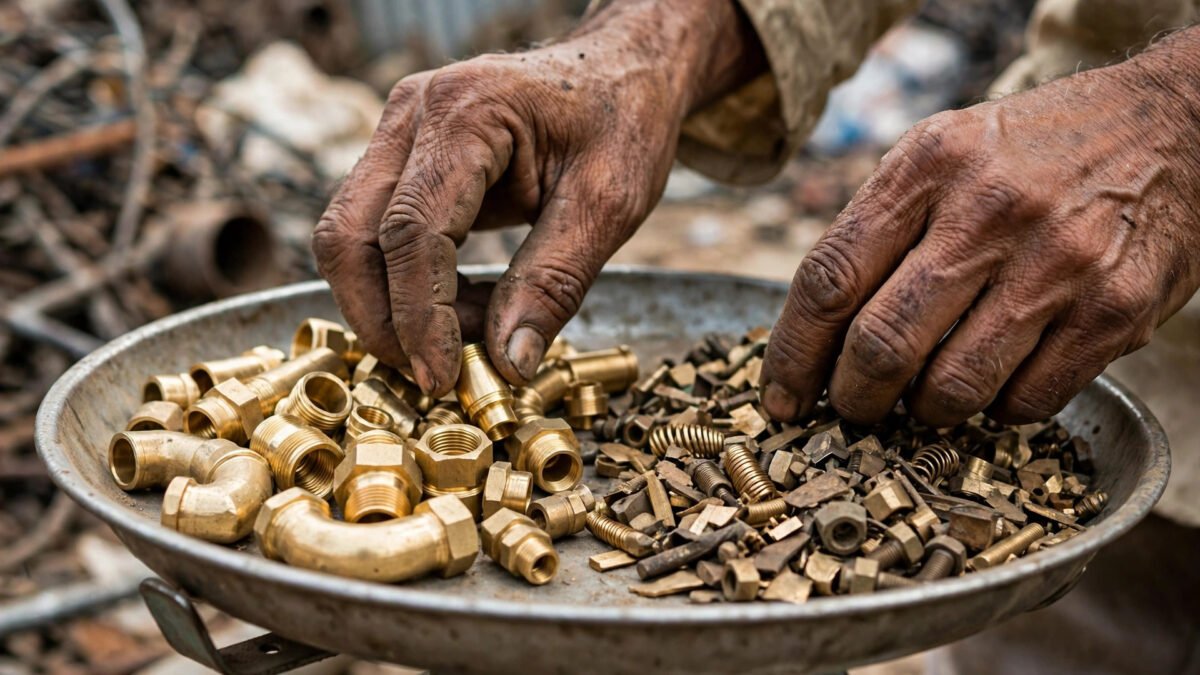
Scrap metal grades decide what a dealer pays you — cleaner grades track closer to exchange prices. Today, sorted brass honey carries a ₹938/kg trader reference while mixed brass averages ₹419/kg across 15 cities. Same metal, very different money. Compare live brass rates and copper rates before you sell.
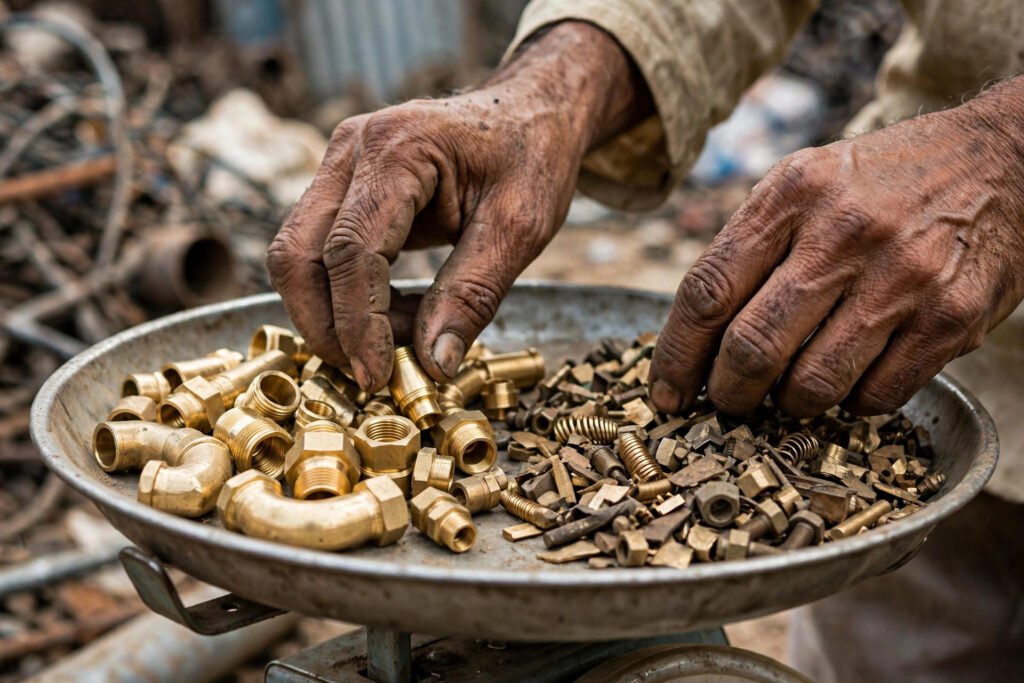
Why Grades Exist
Smelters don’t buy “metal” — they buy metal content. A kilo of clean copper winding is nearly all copper; a kilo of painted, soldered scrap is copper plus junk they must burn off. The grade is the agreement on what’s actually in the kilo, made before weighing. That agreement is the whole game of scrap metal grades: turning an unsorted pile into a priced product — and it is where your money is won or lost.
Scrap Metal Grades That Decide Your Price
These are the trader reference grades dealers actually quote against (22 October 2026):
| Grade | What it means | Reference rate |
|---|---|---|
| Copper armature | Clean copper winding, Delhi | ₹1,300/kg |
| Brass honey | Clean sorted 60/40 brass, Jamnagar retail ref | ₹938/kg |
| Brass honey (Europe/UK) | Export parity grade | ₹933/kg |
| Brass honey (Gulf) | Export parity grade | ₹928/kg |
| Sorted honey brass | Cleaned and sorted honey | ₹888/kg |
| Vilayati local brass | Local vilayati brass | ₹885/kg |
| Brass local | Mixed lower brass | ₹851/kg |
| Zinc ingot (99.95) | Domestic ingot reference | ₹433/kg |
| Aluminium wire scrap | Wire scrap, Delhi buy-side | ₹326/kg |
For comparison, unsorted kabadi mixed rates in Delhi today: copper ₹621/kg, brass ₹426/kg, aluminium ₹160/kg. The gap between a named grade and “mixed” is the money sorting earns you.
How to Move Your Scrap Up the Grade Ladder
1. Sort by metal first. Never weigh copper and brass together — mixed lots get the mixed price. Run the magnet test to pull out iron first.
2. Strip attachments. Insulation, steel screws, soldered joints, and paint drag a grade down. Ten minutes with a cutter can move a lot up one full grade.
3. Keep it dry and clean. Oil, mud, and moisture are weight you don’t get paid for — and they push buyers to grade you down. Our brass purja grade guide shows exactly how turnings are priced by cleanliness.
4. Separate honey from chadari and purja. Brass isn’t one price — clean honey, sheet offcuts, and turnings each trade at their own rate.
5. Sell grades, not sacks. Quote the grade name when you call a buyer. “Ten kilos of brass honey” gets a better opening offer than “ten kilos of brass.”
What the Grade Gap Is Worth (22 October 2026)
Ten kilos of brass sold as clean honey (₹938/kg) = ₹9,380. The same ten kilos as mixed local (₹851/kg) = ₹8,510. Sorting earns ₹870 on one sack. Copper is starker: clean armature at the ₹1,300/kg trader reference pays more than double Delhi’s ₹621/kg mixed copper rate. Grade names are free money if you use them. Internationally, dealers grade the same way — Green Alchemist’s copper scrap grades guide and Blancomet’s scrap metal types guide show the identical ladder in the UK market.
FAQs
What is the highest-paying scrap metal grade?
Clean copper grades — bare bright wire and clean armature winding. Our Delhi trader reference for copper armature is ₹1,300/kg, the top of the board.
Why does mixed scrap pay less than sorted grades?
Because the buyer is pricing their uncertainty. Mixed means unknown metal content plus their sorting cost, so they discount both. You pay for what they can’t see.
What is the difference between brass honey and brass local?
Honey is clean, sorted 60/40 brass — today’s trader reference is ₹938/kg. Brass local is mixed, lower-grade brass at ₹851/kg. The ₹87/kg gap is purely the reward for sorting.
Know your scrap metal grades — then see today’s scrap rates before you quote, buy, or sell.
Table of Contents
Apna scrap bechna hai?
Chhota sa form bharo (20 second lagega) — hum sahi buyer se tumhari baat karwayenge. Koi charge nahi.