How to Start a Scrap Business in India
22 September 2026 • ScrapRateToday
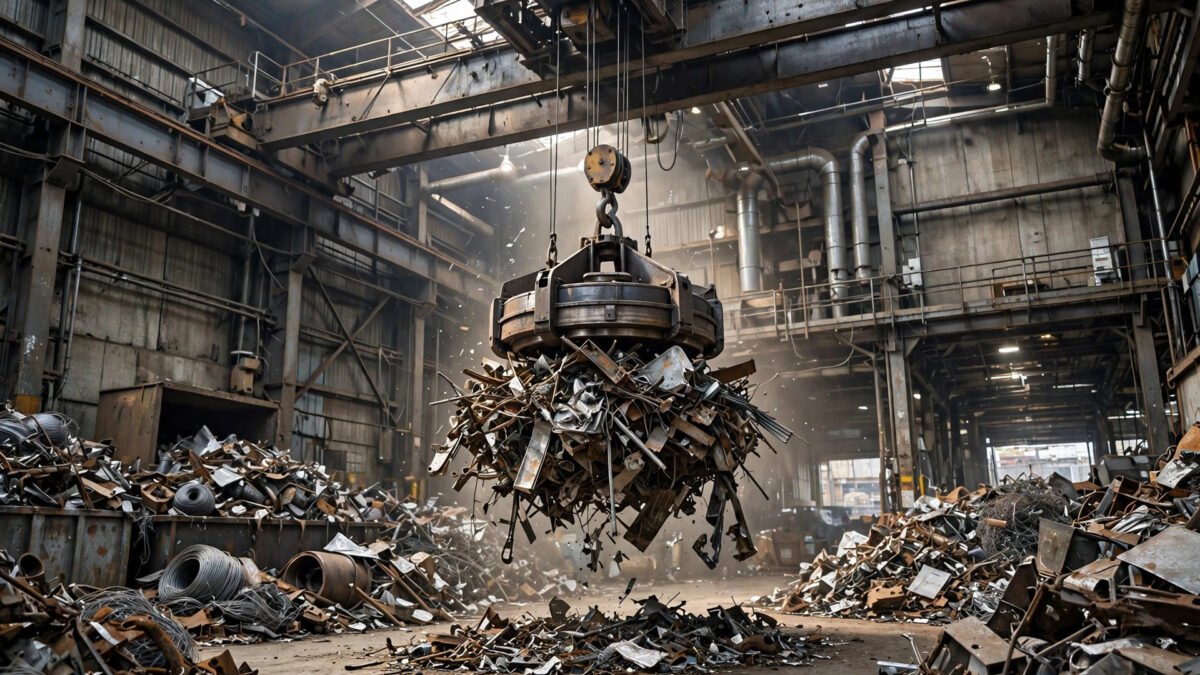
What does a scrap business do?
A scrap business buys discarded metal, paper, and plastic from households, shops, and factories, sorts it by material and grade, and sells it in bulk to recyclers and mills. The margin sits between the buying price and the selling price. Dealers who sort carefully earn more because clean, separated material sells at a higher rate than mixed lots.
Licences and registration you need
Register the business first — a sole proprietorship or partnership with GST registration is the usual starting point. You will need a trade licence from the local municipal body for the shop or yard. If you handle e-waste or batteries, state pollution control board authorisation is mandatory. Keep purchase records with seller details; many states require this for scrap dealers.
How much money does it take to start?
A small neighbourhood scrap shop can start with ₹2–5 lakh: a rented space, a platform weighing scale, a truck or tempo on hire, and working capital to buy the first few tonnes. A larger yard with a baling press and shearing machine needs ₹25 lakh or more. Start small, learn the grades, and scale with retained profit.
How dealers price what they buy
Dealers track daily market rates and buy below them to leave a margin. Check the scrap rate today before quoting a seller — the gap between the market rate and your buying price is your income. Copper and brass carry the highest per-kg margins; iron and steel move in volume. The scrap value calculator helps you work out what a lot is worth before you bid for it.
Finding buyers for sorted scrap
Small dealers sell to bigger aggregators in industrial clusters. Mandi Gobindgarh buys steel scrap, Jamnagar buys brass, and Moradabad takes mixed metal scrap. Build relationships with two or three regular buyers so your stock moves every week — scrap sitting in the yard ties up your working capital.